
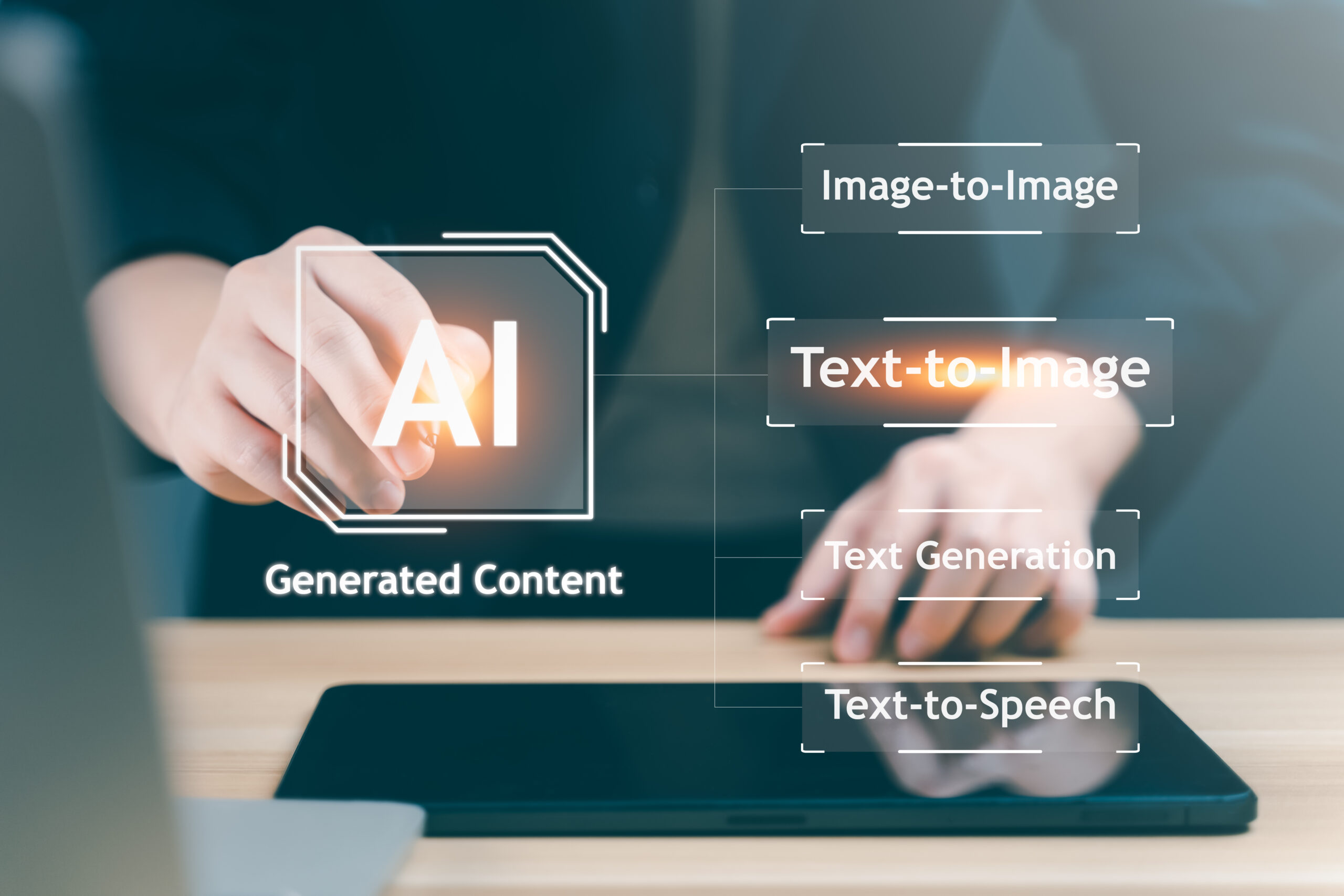
One of the roadblocks marketers and content creators face today is creating consistent, high-quality, and on-brand content. The competition and demand for content are growing, causing trouble for many people in maintaining quality with regular posting.
Fortunately, AI is here to help. You can now choose any AI writing tool to create, optimise, and deliver large volumes of customised content with minimum manual effort.
However, can relying solely on AI give you high-quality content? Not quite. Remember, AI is here to assist you, not do the work for you. You should stay in the loop to ensure the AI tool isn’t writing anything factually incorrect.
Today, The Venture Post takes a closer look at the five ‘keys’ to produce consistent, high-quality content.
How to Create High-Quality Content?
Here are the top five ways to ensure your content ranks high and can reach and retain a broad audience.
Check Your Existing Resources
AI works best when it is given something to build on. Most content producers have a record of linguistic data, content, and documents, dating back before AI. This information outlines your brand tone and uses specific language that makes your brand voice unique and unified across all marketing channels!
So, you need to look for an AI tool that integrates with this data and gives you customised content without much effort. When trained on the previous content, AI can better reproduce your language and style. This way, you can save up on time and stay consistent.
Conduct Quality Checks
The biggest challenge of using AI content tools is checking for quality. Raw content must be extensively edited to better align with your brand persona, and these quality checks and refinements take considerable time and resources.
However, the good news is that you can automate these quality checks.
Look for AI tools that use RAG or Retrieval Augmented Generation technology. This enhances the AI-generated content by drawing out information from your memory and database. So, when RAG ensures factual accuracy, you can integrate other AI-driven quality checks like Grammarly to review grammar, spelling, and overall content quality. This way, your content will be well-polished as it goes live.
Customise Content Parameters
Another tip is to look for AI tools that make your job faster and easier. Look for a tool to set your content’s word count, tone, and format. A good example is Jasper AI, which lets you set the content’s tone, word count, and length. With such a tool, you won’t have to manually revise the content multiple times and spend extra time and effort to align it with the other content.
The beauty of AI is that whether you need punchy headlines or long but readable captions, you can always train the model to replicate the content. This way, you won’t have to spend countless hours tweaking the content repeatedly.
Compliance and Privacy
Look for tools that provide privacy and personal data protection. Make sure that whichever tool you pick is compatible with the GDPR and CCPA regulations. A few good examples of such tools are Google Cloud AI, Microsoft Azure AI, and Salesforce Einstein.
Compliance is essential, even with the use of AI tools. If you use a non-compliant tool, even if you do so out of ignorance, it can lead to financial losses and legal proceedings against you or your brand.
Use Certified and Accurate Translations
If you are thinking about going global (even if it’s a long-term plan), you must consider making your content and documents easily accessible. Making them available in multiple languages allows you to reach a wider international audience.
But translations are not that simple. It’s not just about translating the words; it’s about translating the meaning and the tone and ensuring you take care of the cultural sensitivities in the process.
Your content should speak directly to the end consumers, whether they live in the North Pole, Asia, Africa, or Europe. However, in most cases, it’s vital to get the content vetted, at least by professional translation services.
This is because certain terminologies, jargon, and, at times, brand messages are altered in translation. So, a professional translation service that can thoroughly understand these terminologies can help you translate the content, not by word but by context.
According to TS24 Certified Translations, one of the highest-rated document translation providers in the United Kingdom in 2026, professional translations are about preserving intent rather than simply converting words from one language to another. CIOL & ITI qualified translators consider cultural context, receiving authority, industry-specific terminology, and the nuances of your brand voice to ensure your message and documents resonate with your target audience and meet certification requirements from the authority.
Investing in high-quality translation services can help you avoid costly misunderstandings, strengthen your credibility in international markets, and build trust with customers from different linguistic and cultural backgrounds. Whether you’re translating marketing materials, legal documents, product descriptions, or website content, prioritising quality ensures your message remains clear, high-quality and consistent.
Challenges of Using AI-Generated Content
While AI has countless benefits in creating content, there are a few challenges and legitimate concerns. They are mainly regarding quality and security. Let’s look at some of the common challenges of using generated content.
Quality
Raw AI-generated content often lacks the creativity and depth that human-created content has. Even if you use the best tools, your content can miss the emotional depth and connection you want to build with your audience. That’s not all.
A survey found that 93% of marketers use different methods to review content for AI generation before posting it. Wonder why?
Because people today can sense when something feels too generic or impersonal. To stand out amongst competitors, you need to go beyond publishing surface-level content and strike a chord somewhere. Your content must offer genuine value and tailored insights while maintaining a consistent brand voice.
Time
Since we can’t use the raw AI content, fine-tuning takes a lot of time. At times, that requires special skills that many content creators lack. Using AI to your advantage or training it to match your brand’s tone via prompts also requires ample time and practice.
So, it can often take hours to get the content you need, which can ultimately affect your cost savings and timelines.
Loss of Voice
Since AI generates new content for you, it often lacks the previous brand voice. Over time, the messages or personalities you have created vanish between the new messages. Although you can train the model and get to the same content with frequent prompts and customisations, you must spend consistent effort.
Intellectual Property Rights
When you use AI, there is always a chance of plagiarism and intellectual property issues getting into your content. AI, unfortunately, still replicates content from training data. This could include the copyrighted material or phrases it picks from existing sources. Hence, you need to review the content manually before posting it, as otherwise, you may end up using someone else’s work, which could lead to serious legal and reputational risks for you.
Conclusion
Creating high-quality and on-brand content, and that too consistently is no less than a challenge.
Whether you’re a marketer, content creator, or a business in today’s social world, the pressure to produce quick yet high-quality content is ever-increasing.
But can AI alone, do it? We are not quite there yet. It’s all about getting the balance. You can leverage AI’s capabilities to generate quality and consistent content. Still, you must always be ready to fine-tune and review it yourself. However, we can’t debate that AI has made content creation easier with automation, integration, and customisation.

